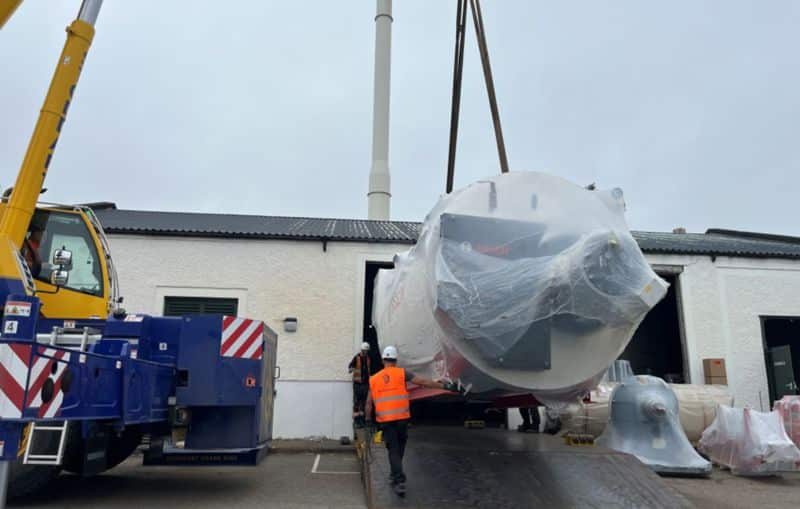
Understanding Industrial Boiler System Design
What is an Industrial Boiler System?
An industrial boiler system is far more than just the boiler itself. It’s a complete, integrated steam or hot water system that includes the boiler, feedwater and condensate systems, fuel supply, combustion equipment, steam distribution, controls, safety systems and environmental protection measures.
In many plants, the boiler system is the beating heart of operations. It feeds heat and steam to critical processes such as distillation, evaporation, concentration, pasteurisation, drying and space heating. If the boiler system is poorly designed, the whole site feels the impact through lost output, higher fuel bills, unexpected downtime and compliance risk.
Why Good Boiler Design Matters for Modern Plants
Today’s industrial sites face a tough mix of challenges: rising energy costs, tightening emissions limits, decarbonisation targets, and the need to remain competitive and reliable. A boiler system designed twenty years ago around a single fuel and a fixed operating regime might no longer be fit for purpose.
Good boiler system design:
- Delivers the required steam reliably and safely
- Minimises life-cycle cost, not just capital cost
- Supports the client’s sustainability and net zero goals
- Meets regulatory and stakeholder expectations
At Integro Design Engineering Associates (IDEA) Ltd., we bring a structured, multidiscipline approach to achieve exactly that.
IDEA’s Multidiscipline Approach
Who Are Integro Design Engineering Associates (IDEA) Ltd.?
Integro Design Engineering Associates (IDEA) Ltd. is a multidiscipline engineering consultancy specialising in process design, mechanical and piping, process safety, EC&I and project support for industrial and process plants.
Our team has deep experience in sectors such as distilled spirits, food & drink, chemicals and specialist manufacturing—industries where steam and thermal energy are absolutely critical.
How Our Team Integrates Process, Mechanical and Safety Engineering
Industrial boiler system design sits at the intersection of several disciplines:
- Process engineering – defining steam demand, pressures, temperatures and integration with users
- Mechanical engineering – boiler pressure parts, supporting structures, pipework, fatigue and maintainability
- Process safety – pressure protection, burner management, interlocks, risk assessment
- EC&I – instrumentation, controls, burner management systems and integration with site DCS/SCADA
At IDEA, our engineers and designers work together from the outset to ensure all these aspects are considered in one coherent system design, rather than as separate bolt-ons.
Boiler Rating and Selection
Defining Steam Demand and Load Profiles
A common mistake is to size boilers solely on peak demand or “rule of thumb” estimates. That can lead to:
- Oversized boilers that cycle frequently and waste fuel
- Undersized systems that cannot support plant expansion
We work with clients to:
- Analyse current and projected steam loads across the site
- Map out demand profiles (base load, peaks, seasonality)
- Consider simultaneous operation of key processes
From this, we determine the optimal boiler rating and number of units.
Designing for Future Expansion and Flexibility
Boilers are long-life assets. Plants evolve.
IDEA considers:
- Likely future expansions or new product lines
- Opportunities to operate with multiple boilers for flexibility
- Space and connection points for future boiler additions
This forward-thinking approach helps avoid expensive rework later.
Heat Transfer and Steam Outlet Conditions
Heat Transfer Rate Limitations and Thermal Stress
High heat transfer rates can make boilers compact and efficient—but push them too far and you risk thermal stress, tube failure and reduced reliability.
Our design approach balances:
- Required steam output
- Allowable heat flux in furnace and convection sections
- Tube material limits and thermal gradients
By respecting these constraints, we help maintain long-term integrity while still achieving good efficiency.
Setting the Right Steam Pressure and Temperature
Steam pressure and temperature must be matched to process requirements. Too high, and you waste energy with unnecessary throttling and higher losses; too low, and you may not meet process duty or quality requirements.
IDEA works with clients to:
- Define required steam conditions at each user or header
- Select boiler outlet conditions that suit distribution and pressure-drop
- Ensure that superheat, if required, is carefully controlled
Tailored steam conditions are a key part of a robust system design.
Mechanical Design Considerations and Safety
Durability, Materials and Mechanical Integrity
Mechanical design covers:
- Selection of pressure parts, materials and wall thickness
- Nozzle and connection design
- Support and expansion arrangements for boilers and pipework
We ensure designs can withstand:
- Pressure and temperature cycles
- Start-up and shutdown stresses
- Site-specific conditions such as ambient temperature and wind loading
Safety as a Core Design Principle
Safety isn’t an afterthought—it’s embedded from the start.
We consider:
- Risk of overpressure and relief system design
- Flame failure and fuel supply isolation
- Safe venting and blowdown arrangements
- Operator access and ergonomics
Typical Safety Features and Interlocks
A well-designed boiler system incorporates:
- High and low water level protection
- Burner management with flame detection and safe shutdown
- Overpressure protection via safety valves
- Interlocks to prevent firing without adequate air or water
- Emergency stops and clear isolation points
IDEA helps specify, review and integrate these features so that the system meets both regulatory requirements and good industry practice.
Skid Mounting, Plot Space and Multiple Boiler Installations
Skid-Mounted and Modular Boiler Solutions
Many clients prefer skid-mounted or modular solutions, especially on constrained sites or phased projects. Benefits include:
- Reduced site installation time
- Better quality control in fabrication
- Simplified commissioning
We work with boiler OEMs and fabricators to define skid interfaces, utility connections and access requirements.
Plot Space Optimisation and Layout Integration
Boiler systems must fit into real sites, not idealised diagrams. IDEA reviews:
- Available plot space, access routes and crane access
- Relationship to existing plant, control rooms and utilities
- Noise, heat and emissions impact on nearby areas
We develop layouts that make best use of limited space while staying safe and maintainable.
Planning for Multiple Boilers and N+1 Redundancy
Multiple boiler installations offer:
- Flexibility to match steam output to load
- Resilience during maintenance or breakdown
- Ability to trial new fuels or technologies on a single unit
We design steam headers, off-takes and control strategies to ensure that multiple boilers can operate efficiently and safely together, today and as the plant grows.
Water Treatment: Protecting the Boiler and System
Why Boiler Feedwater Quality is Critical
Poor water quality leads to:
- Scaling, which reduces heat transfer and efficiency
- Corrosion, which damages tubes, drums and pipework
- Foaming and carryover, which disrupts steam quality
IDEA considers water treatment as a core part of boiler system design, not an optional extra.
Key Water Treatment Strategies
We help clients define:
- Make-up water quality requirements
- Softening, demineralisation or RO systems where needed
- Chemical dosing strategies for oxygen scavenging, pH control and deposit prevention
- Monitoring and control of boiler water and condensate quality
Proper water treatment extends asset life and keeps efficiency high.
Fuel Selection and Energy Source Strategy
Conventional Fuels: Diesel, Gas and Biogas
Fuel choice has a major impact on:
- Operating cost
- Emissions
- Burner and control design
We can assess and compare:
- Diesel, gas oil and natural gas
- LPG or LNG where relevant
- Biogas where available from site processes
Low-Carbon and Electrical Options
Many clients are exploring alternative or complementary energy sources, such as:
- Bio-diesel and other renewable liquid fuels
- Biogas from anaerobic digestion
- Electric boilers or electrode boilers as part of electrification strategies
IDEA supports optioneering across these fuel and energy source types, evaluating efficiency, emissions, infrastructure requirements and fit with the client’s sustainability roadmap.
Balancing Efficiency, Emissions and Sustainability Goals
We help clients weigh:
- Fuel costs and future price uncertainty
- CO₂ and NOx emissions limits and reporting requirements
- Corporate net zero or decarbonisation targets
The outcome is a fuel and energy strategy that is technically feasible, commercially viable and aligned with long-term goals.
Key Boiler Auxiliaries
Burners, Fans and Combustion Air Systems
Choosing the right burner and air system is crucial for:
- Efficient combustion
- Low emissions
- Stable operation across the load range
IDEA supports:
- Burner selection (including low-NOx options)
- Forced and induced draft fan sizing and integration
- Combustion air and flue gas path design
Stacks, Ducts, Insulation and Economisers
We review:
- Stack height and location relative to buildings and intakes
- Duct routing, pressure drop and access for inspection
- Insulation to minimise heat loss and protect personnel
- Options for economisers and heat recovery from flue gases
Good flue design improves efficiency and reduces environmental and operational issues.
Boiler Blowdown and Water Quality Control
Blowdown systems are designed to:
- Control dissolved solids and maintain water quality
- Protect the boiler from carryover and deposits
We consider:
- Continuous and intermittent blowdown points
- Energy recovery from blowdown where viable
- Safe routing and cooling of blowdown streams
Hotwell Tanks and Deaerators
The design of the feedwater system is a major driver of overall efficiency.
Key elements include:
- Hotwell tanks for condensate return and make-up water storage
- Deaerators to remove dissolved oxygen and protect the system
- Pump selection, NPSH considerations and control strategies
By maximising condensate return and properly conditioning feedwater, overall system efficiency and reliability are significantly improved.
Steam Headers and Offtakes in Multi-Boiler Systems
In multi-boiler installations, the steam header and off-takes must be carefully designed to:
- Balance flows from different boilers
- Avoid pressure imbalances and reverse flow
- Ensure key users get stable pressure and quality
IDEA develops header configurations, control philosophies and tie-in details that support smooth operation across the full range of load and boiler combinations.
Utility Calculations and Environmental Considerations
Fuel and Boiler Feedwater Requirements
Industrial boiler projects must be supported by robust utility calculations for:
- Maximum and average fuel demand
- Boiler feedwater flow and pressure requirements
- Make-up water volume and quality needs
- Condensate return and flash steam management
These calculations are essential for sizing upstream utilities, tanks, pumps and treatment systems.
Emissions, Heat Recovery and Energy Efficiency
Environmental considerations are not optional—they are central to modern boiler design.
We support clients to:
- Select low NOx burners and appropriate combustion controls
- Integrate heat recovery systems (economisers, condensing heat exchangers, flash steam recovery)
- Monitor emissions and prepare for changing regulatory limits
The result is a boiler system that minimises environmental impact while keeping energy performance high.
Control and Instrumentation
Instrumentation and Burner Management Systems
Boiler systems rely on well-designed instrumentation and controls to:
- Maintain safe firing conditions
- Optimise efficiency
- Provide operators with clear information
IDEA helps define and review:
- Instrumentation for pressure, temperature, flow, level and oxygen
- Burner management systems (BMS) including flame detection and purge sequences
- Integration with the site’s existing control architecture
Water Level, Fuel and Air Ratio Control
Precise control gives safer and more efficient operation:
- Water level must be maintained within safe limits to protect the boiler
- Fuel and air ratio must be optimised to avoid unburnt fuel, excess oxygen or CO formation
We specify and review control loops, transmitters, actuated valves and logic to achieve stable, efficient performance.
Temperature Control, Safeguarding and Interlocks
In addition to process control, proper safeguarding is critical:
- High temperature cut-outs
- Trips on low water, low air, high pressure, flame failure
- Interlocks to prevent unsafe start-up conditions
These are built into the control philosophy and tested during commissioning.
Start-up, Shutdown and Maintenance Planning
Standard Operating Procedures (SOPs)
Even a perfectly designed system can be run poorly if operating procedures are unclear. IDEA supports clients in developing:
- Start-up and warm-up procedures
- Normal operation guidelines
- Shutdown and lay-up procedures
These help protect equipment and maintain safety.
Testing Regimes and Operator Training
We encourage and support:
- Factory acceptance tests (FAT) and site acceptance tests (SAT)
- Performance testing against design parameters
- Routine testing of safety devices and controls
- Operator training on both equipment and procedures
Well-trained operators and clear testing regimes significantly reduce operational risk.
Designing for Maintainability
During design, we consider:
- Access for inspection and tube cleaning
- Isolation arrangements for valves, instruments and equipment
- Space for removal and replacement of key components
Designing for maintainability keeps life-cycle costs down and improves availability.
Compliance with Design Codes and Standards
Key Regulations: PER, PSSR and Other Applicable Codes
Industrial boiler systems must comply with a range of regulations and standards. Depending on the project scope and location, these may include:
- Pressure Equipment Regulation (PER)
- Pressure Systems Safety Regulations (PSSR)
- Relevant national and international codes for design, fabrication and inspection
IDEA ensures that compliance is considered from concept stage through to commissioning, not left to the last minute.
Design, Construction and Operational Compliance
We support clients in:
- Defining the code and regulatory basis for design
- Reviewing vendor documentation and certifications
- Developing operating and maintenance documentation aligned with regulatory expectations
This reduces the risk of non-compliance and provides confidence for regulators, insurers and stakeholders.
How IDEA Can Support Your Boiler Project
Concept to Commissioning Support
Integro Design Engineering Associates (IDEA) Ltd. can assist at every stage of your boiler system journey:
- Feasibility and optioneering
- System design and specification
- Vendor selection and technical bid evaluation
- Detailed design and integration with the wider plant
- Construction support, inspections and commissioning
- Training, documentation and handover
Integration with Wider Plant Upgrades and Decarbonisation Projects
Boilers rarely exist in isolation. We often integrate boiler projects with:
- Site-wide steam and condensate distribution upgrades
- Heat recovery and process integration projects
- Decarbonisation and electrification studies
- Broader process safety and compliance initiatives
Because we are a multidiscipline consultancy, we can see the bigger picture and help clients make decisions that work for the whole site, not just one package.
Conclusion
Industrial boiler system design is a complex blend of technical, operational and environmental considerations. It’s about far more than choosing a boiler from a catalogue. Capacity, heat transfer, steam conditions, mechanical integrity, safety, water treatment, fuels, auxiliaries, environmental performance, controls and compliance—all of these must come together in a coherent, robust system.
At Integro Design Engineering Associates (IDEA) Ltd., our multidiscipline team applies these considerations systematically, combining practical plant experience with strong engineering foundations. Whether you are upgrading an ageing boiler house, planning a new installation, or aligning your steam system with your decarbonisation strategy, we can help you design and deliver a solution that is safe, efficient and future-ready.
How can we help?
Contact our team today for support with your boiler system design, assessment or upgrade, and let’s start building a more reliable and sustainable steam system for your site.
FAQs
1. When should I consider upgrading my existing boiler system?
You should consider an upgrade when you see frequent breakdowns, rising fuel consumption, difficulty meeting steam demand, changes in production, or new emissions or safety requirements. A structured assessment by an engineering team like IDEA can quickly highlight whether optimisation, partial upgrade or full replacement is most appropriate.
2. Can IDEA help with decarbonising existing steam systems?
Yes. We regularly support clients with decarbonisation and energy optimisation studies, including options such as higher-efficiency boilers, heat recovery, alternative fuels, electrification and integration with high-temperature heat pumps or other low-carbon technologies. Boiler systems are often central to these strategies.
3. What information do you need to start a boiler design study?
Typically, we’ll ask for:
- Current and projected steam demand and profiles
- Existing boiler and fuel system data (where applicable)
- Site layout and plot constraints
- Utility availability (water, power, fuels)
- Emission limits and sustainability targets
From there, we can define the scope and level of detail needed for the study.
4. How do multiple boilers improve reliability and flexibility?
Multiple boilers allow you to:
- Match available capacity to varying steam demand
- Take one boiler offline for maintenance while others continue to run
- Trial new fuels or control strategies on one unit
- Improve resilience to unplanned outages
A well-designed multi-boiler system, with the right headers and controls, can significantly improve reliability and operating flexibility.
5. Do you only work in the distilled spirits sector?
No. While IDEA has strong experience in the distilled spirits industry, we also work across a range of process sectors including food & drink, chemicals, energy-intensive manufacturing and other industrial plants. Wherever steam and thermal energy are critical, our expertise in boiler system design can add value.
Ready to improve your boiler system?
Whether you’re planning a new installation, upgrading ageing assets or aligning your steam system with net-zero goals, our team can help.
👉 Contact Integro Design Engineering Associates (IDEA) Ltd. today to discuss your boiler system design, assessment or optimisation needs.
- Email: info@idea-ltd.co.uk
- Phone: +44(0)141 459 0323
- Or submit an enquiry via our contact form, and a member of our multidiscipline engineering team will get back to you.