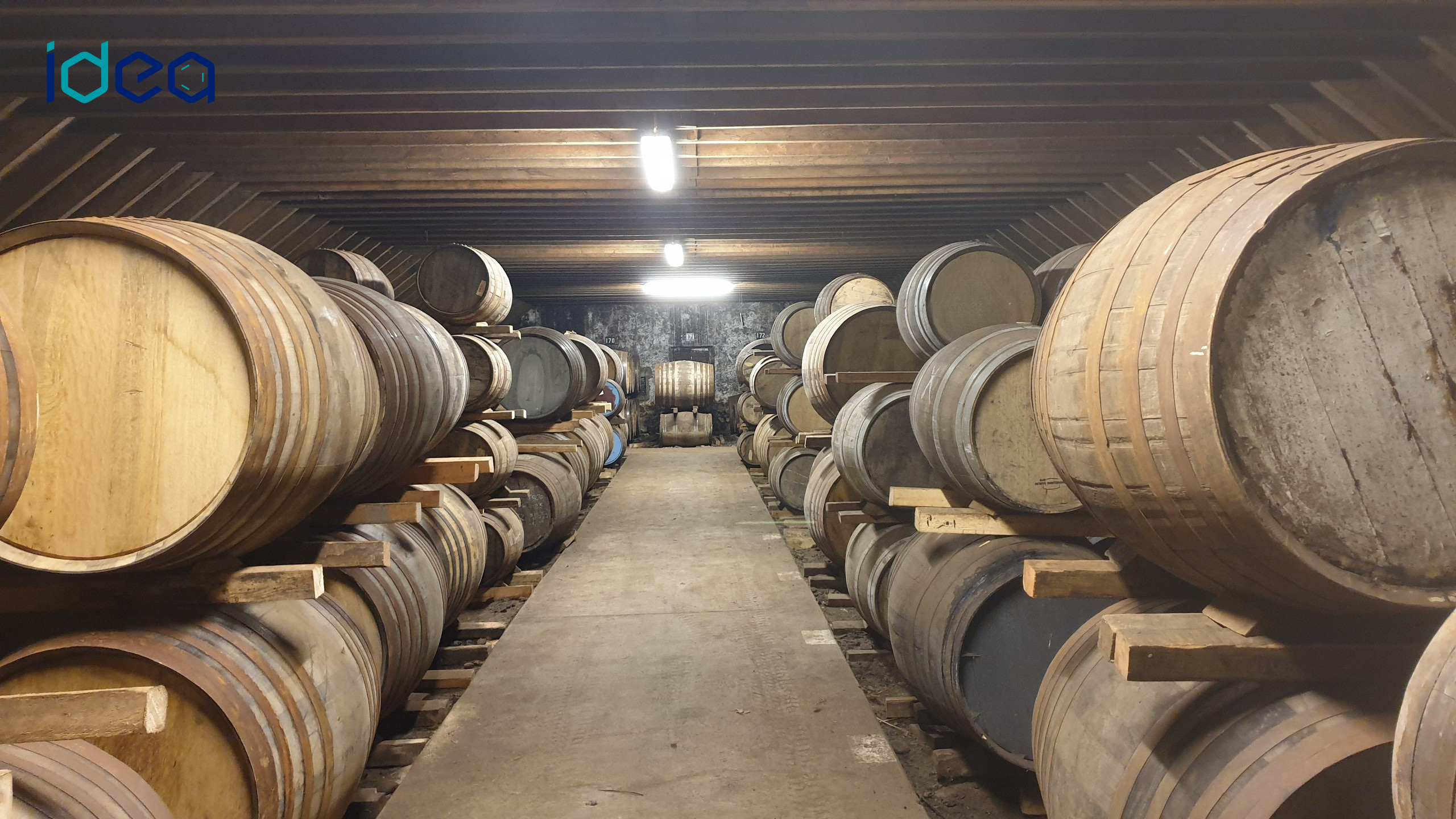
Distillery warehouses can look calm on the surface. Rows of casks, forklifts moving steadily, that familiar aroma of spirit in the air. But behind the romance is a very real hazard profile that needs proper attention. And not the “tick box and move on” kind either. The kind that actually protects people, keeps operations running, and avoids nasty surprises during construction or commissioning.
If you handle thousands of casks across palletised racking and traditional dunnage operations, and you carry out disgorging, filling, and vatting, you already know the basics. Vapours happen. Spills happen. Housekeeping varies. Equipment turns up late. Projects need to fit into tight footprints. The challenge is making all of that work safely and legally under ATEX and DSEAR, without zoning half the building and pricing your own project off the table.
That is exactly where a pragmatic approach to hazardous area classification and DSEAR risk management pays off. This article looks at ATEX and DSEAR in distillery warehouses and how to manage zoning without over-engineering your site
Why distillery warehouses are a unique ATEX and DSEAR challenge
Most industrial sites have flammable liquids. But distillery warehouses have a particular mix of factors that pushes risk in interesting directions:
- High volumes of ethanol based product moving through routine tasks
- Mixed operations including cask handling, filling lines, disgorging stations, and vatting interfaces
- Variable release scenarios from hoses, couplings, vents, and human factors
- Conflicting priorities like throughput, space utilisation, and heritage building constraints
- Often more than one hazard type, because you can have flammable vapours and combustible dust by products in the same overall environment
That last point matters. When vapour and dust risks co exist, you cannot rely on a single mental model. It is like trying to drive with one eye closed. You might make it for a while, but you are taking chances you do not need to take.
What ATEX actually covers
ATEX is often used as shorthand for “explosive atmospheres requirements”. In practice, it connects to:
- Equipment and protective systems intended for use in explosive atmospheres
- The classification of areas where explosive atmospheres may occur
- The selection of suitable equipment for those zones
- Documentation that shows the logic and justification
So ATEX is not only about buying Ex equipment. It is also about deciding where you actually need it in the first place.
What DSEAR demands from duty holders
DSEAR is the UK framework that requires you to:
- Identify dangerous substances
- Assess the risks
- Put measures in place to eliminate or reduce risks so far as reasonably practicable
- Control ignition sources
- Provide mitigation, procedures, training, and maintenance controls
- Maintain evidence that you have done it properly
Here is the key: DSEAR is about managing risk, not just drawing zones on a plan. Zoning is one output. It is not the entire job.
The real risk picture inside a cask warehouse
Let’s ground this in what actually happens day to day.
Flammable vapours from spirit handling
Ethanol vapour can form an explosive atmosphere when it mixes with air in the right range. Warehouses typically see potential releases during:
- Filling and disgorging operations
- Vatting and transfers
- Hose connections and disconnections
- Sampling points
- Venting and tank breathing
- Minor leaks at seals, valves, and couplings
Most releases are small, but frequency matters. A small release that happens often can drive zoning, equipment requirements, and operating constraints.
Combustible dust from by products and housekeeping
Depending on your processes and materials, dust hazards can creep in through:
- Dry by product handling
- Packaging residues
- Pallet debris and fines
- Poor housekeeping in corners, beams, and cable trays
- Maintenance activities that disturb settled dust
Dust is sneaky. Vapour announces itself with smell. Dust sits quietly until it does not.
Ignition sources people forget about
Everybody remembers obvious ignition sources. It is the overlooked ones that bite:
- Forklift electrics and battery charging areas
- Temporary works and hot work
- Static electricity from transfer and flexible hoses
- Non Ex rated lighting changes during maintenance
- Portable tools and contractors’ equipment
- Space heaters, radiant elements, or poorly controlled HVAC components
If you want to reduce zones, you need to tackle releases. If you want to reduce risk, you also need to tackle ignition sources. Both matter.
Zoning without drama
Zoning can become emotional. People see zones as a judgment on the site. It is not. It is simply a structured way of describing likelihood and duration of an explosive atmosphere.
How zoning is determined in practice
Zoning is driven by three practical questions:
- How likely is a release in normal operation?
- How big could it be, and what direction could it travel?
- How quickly will it disperse, based on ventilation and obstacles?
Get those three right and your zoning becomes a useful tool rather than a drawing that everyone fears.
Typical zones you see in palletised and traditional warehouses
While every site is different, common patterns include:
- Local zones around filling and disgorging points
- Zones near venting points or open interfaces
- Zones at sumps, drains, or low points where vapour can accumulate
- Zones in poorly ventilated enclosures or recesses
- Temporary zones during specific tasks if managed properly
Traditional dunnage style buildings can introduce airflow complexity. Palletised systems can introduce high racking, which affects dispersion patterns. Both can be managed, but you cannot assume one size fits all.
Why over zoning costs real money
Over zoning creates knock on impacts:
- More Ex rated equipment than you actually need
- More costly cable containment and installation rules
- More restrictions for maintenance and operations
- Reduced layout flexibility for new projects
- Higher inspection and testing burden for life
In short, you pay today and you keep paying every year after.
Minimising zoned areas through pragmatic design
This is where good engineering earns its keep. The goal is not to pretend risk does not exist. The goal is to control it intelligently so the site stays operable.
Control releases at the source
Start where the vapour begins:
- Use better connection standards and reduce open handling
- Specify robust couplings, seals, and breakaway protection
- Reduce the number of connection points where possible
- Add local containment and drip management where minor releases are credible
- Design procedures to avoid open venting and uncontrolled decanting
Think of it like fixing a leaky tap. You can put a bigger bucket under it, but it is smarter to tighten the fitting.
Improve ventilation and airflow paths
Ventilation is not only about “more air”. It is about air in the right place:
- Remove dead zones where vapour can linger
- Avoid creating enclosed pockets behind new equipment
- Consider local extraction for high release points
- Check airflow paths around racking and partitions
- Make sure vents discharge to sensible locations
When ventilation improves, the time a flammable atmosphere exists often drops. That can reduce zone extent, and sometimes even zone classification.
Segregation, containment, and smart layout
Layout can either spread hazards or contain them:
- Segregate higher risk operations into defined cells
- Use physical separation or barriers where helpful
- Position equipment to avoid vapour travel into walkways or ignition source dense areas
- Keep electrical distribution and battery charging away from release points
- Design access routes so maintenance can happen without disrupting controls
A good layout is like good traffic management. It is calmer, safer, and people make fewer mistakes.
Drainage, bunding, and spill management
Spill management is often underrated in zoning discussions. But it matters because vapour can travel from pooled liquid.
- Ensure drainage does not route spills into enclosed sumps
- Avoid creating low points where vapour collects
- Provide bunding where credible spill volumes exist
- Select floor finishes that support cleaning and do not trap residues
- Make spill response equipment easy to access
Bringing HAC services in early
If there is one lesson we see again and again, it is this: late stage ATEX and DSEAR reviews are expensive.
What “early engagement” looks like on a real project
Early engagement means integrating hazardous area classification and DSEAR thinking into:
- Concept layout and options selection
- Equipment specification and vendor engagement
- Utility routing and HVAC strategy
- Operational workflow and access design
- Constructability and commissioning planning
It is not a separate compliance stream. It is part of design.
The decisions that get locked in too soon
Once you have ordered equipment, many things become painful to change:
- Motor types and enclosure ratings
- Instrumentation selection
- Control panel locations
- Lighting and small power philosophy
- Ventilation and duct routing
- Building penetrations and fire strategy interfaces
So if you wait until procurement or installation, you end up redesigning around equipment rather than designing the right solution from the start.
Case study approach for a large distilled spirits client
As part of our offering to help clients manage their design risk through pragmatic and innovative process safety, we supported a large distilled spirits client to manage ATEX risks through their design process, with a clear aim: minimise zoned areas while maintaining safe, compliant operations.
The operational context, disgorging, filling, and vatting
The client handled thousands of casks in a mix of palletised and traditional style warehouse operations, carrying out:
- Disgorging activities
- Filling operations
- Vatting and transfer interfaces
- Cask movement and storage at scale
The materials handled included flammable spirit products and combustible dust by products, which meant the solution needed to consider multiple hazard types and avoid narrow thinking.
Re zoning existing areas to create project space
A common constraint was that new project installations needed to fit inside existing warehouses where zoning, equipment placement, and access routes already constrained space.
By taking a pragmatic approach to reviewing and updating the hazardous area classification, including re zoning existing areas where justified, we helped the client:
- Remove unnecessary zone extent created by historic assumptions
- Clarify where releases were credible and where they were not
- Align zoning with actual operations and controls
- Create room for new installations without compromising safety
This was not about “making the zones disappear”. It was about making them accurate.
Design improvements that reduced zones
We then worked through improvements aimed at minimising zoned areas, such as:
- Refining how and where transfers occurred
- Improving local ventilation and dispersion pathways
- Adjusting layouts to prevent vapour migration into broader areas
- Strengthening spill control and housekeeping strategies
- Tightening ignition source controls where they were driving constraints
Small changes, thoughtfully applied, often delivered big benefits.
Working within ATEX constraints for supplied equipment
Some supplied equipment had ATEX constraints that influenced installation options. Rather than discovering that late, we helped bring those constraints forward in design, which meant:
- Better equipment placement decisions
- Fewer late changes to specifications
- Reduced rework during installation
- A smoother route through commissioning and handover
Key deliverables clients should expect
If you are investing in ATEX and DSEAR support, you should walk away with outputs that help you run the site, not just fill a folder.
DSEAR risk assessment and action plan
This should clearly state:
- Dangerous substances and where they are present
- Credible scenarios
- Existing and required controls
- Actions ranked by risk reduction and practicality
- Ownership, priorities, and timescales
Hazardous area classification dossier
This should include:
- The basis and assumptions used
- Release sources and grades of release
- Ventilation assessment
- Zone drawings with clear extents and notes
- Any operational dependencies that must be maintained
Ignition source control and equipment suitability checks
This links zoning to reality:
- Equipment selection check against zone requirements
- Static control measures where relevant
- Hot work management interfaces
- Forklift and charging philosophies aligned with hazard profile
Basis of safety for operations and maintenance
A strong basis of safety helps keep controls alive:
- Procedures that sustain the zoning assumptions
- Maintenance and inspection requirements
- Training expectations
- Change management triggers, so modifications do not quietly invalidate the assessment
Common pitfalls in warehouse ATEX and DSEAR projects
Copy paste zoning from old drawings
This is the fastest route to over zoning. Warehouses evolve. Operations change. What was true 10 years ago might not be true now.
Treating dust as an afterthought
Dust risk can be less visible but just as serious. It needs the same structured thinking.
Leaving compliance until procurement
If you only review ATEX once equipment is selected, you risk buying the wrong kit or forcing expensive design changes around it.
How to get value, not just compliance
Using the process to unlock layout options
Accurate zoning gives you freedom. It tells you where you can place equipment, route services, and plan access without fear.
Reducing capex and rework
When zones are minimised appropriately, you reduce the amount of Ex rated infrastructure and avoid redesign cycles.
Improving operability and long term safety
A warehouse that is designed with hazards in mind is easier to operate. People make fewer workarounds. Maintenance is simpler. Risk stays controlled.
A practical checklist before your next warehouse project
Before you kick off your next cask warehouse upgrade or new installation, ask:
- Do we understand where releases are credible and how often?
- Are our zoning drawings based on current operations, not historic assumptions?
- Have we considered ventilation properly, including dead zones?
- Have we addressed both vapour and dust risks where relevant?
- Are ignition source controls aligned with how people actually work?
- Are we engaging ATEX and DSEAR input before equipment is specified and ordered?
- Do we have a clear action plan, not just a report?
If any of those answers feel uncertain, it is worth addressing early.
How Can We Help
If you are planning a warehouse modification, new installation, or expansion within an operating distillery site, speak to us early. Our hazardous area classification and DSEAR support is designed to be practical, proportionate, and focused on reducing risk and cost.
Get in touch with IDEA to book a short discovery call. We will help you understand where your biggest ATEX constraints are, and how to minimise zoned areas without compromising safety or compliance.
Conclusion
Managing ATEX risks and DSEAR duties in distillery warehouses is not about making life difficult. It is about making decisions with your eyes open. When you take a pragmatic approach, re zone areas based on evidence, and build risk controls into the design from day one, you can often reduce zoned areas, protect people, and avoid expensive late stage changes. The result is a safer warehouse, a smoother project, and a compliance position you can defend with confidence.
FAQs
1) Do all distillery warehouses automatically need large zoned areas?
No. Zoning should reflect credible releases, ventilation, and dispersion. Many warehouses end up over zoned due to legacy assumptions or conservative copying from old drawings.
2) What is the biggest advantage of early HAC and DSEAR engagement?
It prevents expensive redesign later. Early input influences layout, ventilation, and equipment specification before decisions get locked in.
3) Can ventilation changes really reduce zones?
Often, yes. Better airflow and removal of dead pockets can reduce how long a flammable atmosphere persists, which can reduce zone extent and constraints.
4) Why should we consider dust if our main hazard is ethanol vapour?
Because dust hazards can still exist from by products, housekeeping, and maintenance activities. If dust is present, it must be assessed and controlled under DSEAR.
5) What should we expect to receive at the end of an ATEX and DSEAR support package?
You should receive a clear DSEAR risk assessment with actions, a hazardous area classification dossier with justified zone drawings, equipment suitability guidance, and an operational basis of safety to keep controls valid over time.